
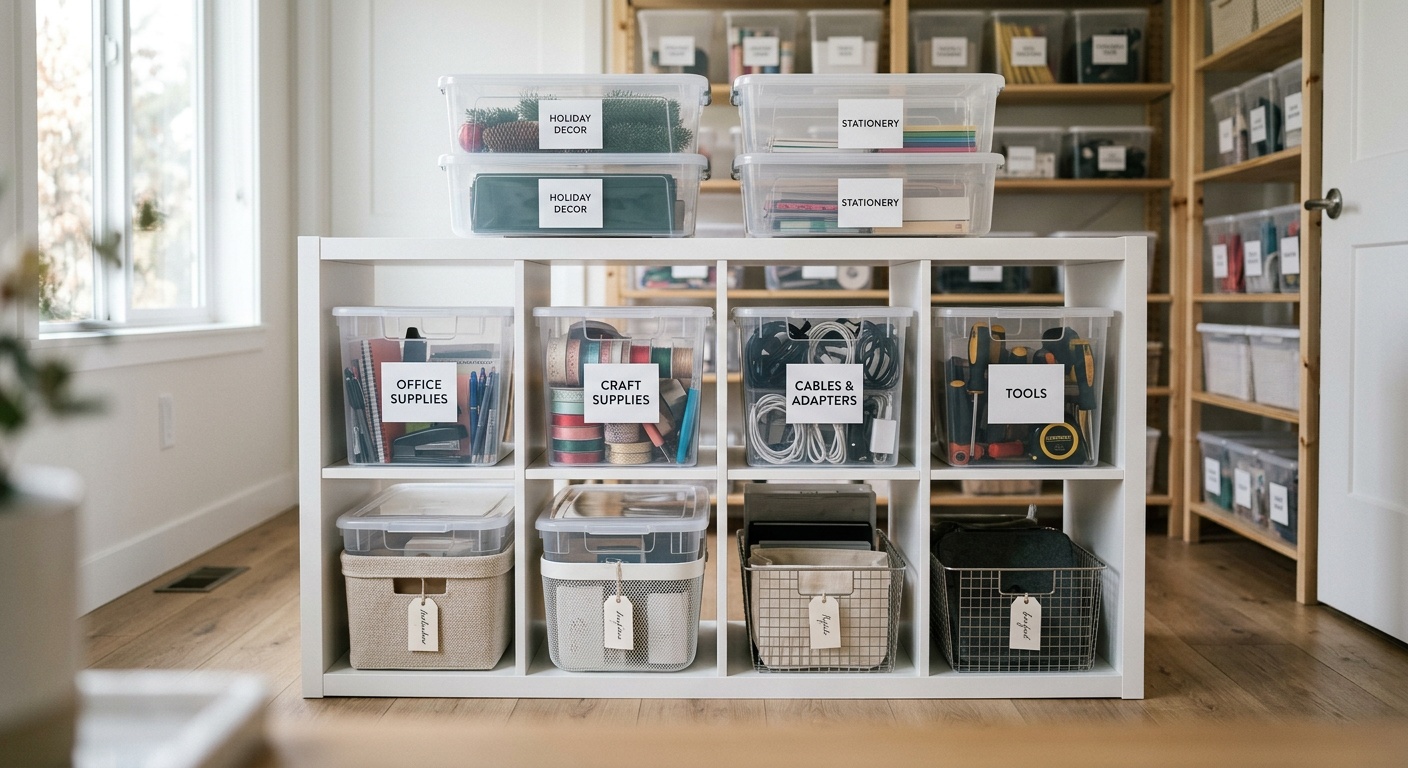
Room by Room Decluttering Guide for Every Season
Reading time: 14 minutes
Ever stared at a closet so full you couldn’t find a single thing you needed? Or walked into your kitchen and felt a low-level anxiety you couldn’t quite name — until you realized it was the pile of gadgets you haven’t touched since 2023? You’re not alone. In 2026, the average American household contains over 300,000 items, and studies from the National Association of Professional Organizers suggest that clutter contributes to elevated cortisol levels, reduced productivity, and even strained relationships.
Here’s the straight talk: decluttering isn’t about achieving a Pinterest-perfect home. It’s about strategic, room-by-room transformation that fits your real life — not someone else’s aesthetic. And doing it seasonally means you’re never overwhelmed, because you’re working with natural rhythms rather than against them.
This guide breaks it all down: which rooms to tackle in which seasons, exactly how to approach each space, and how to sustain the results over time. Ready to turn clutter into clarity?
Table of Contents
- Why Seasonal Decluttering Works Better Than One Big Purge
- Spring: The Kitchen and Living Room Reset
- Summer: Bedrooms, Closets, and Kids’ Spaces
- Fall: Home Office, Entryway, and Garage
- Winter: Bathrooms, Sentimental Items, and Digital Clutter
- Common Decluttering Challenges (and How to Beat Them)
- Room-by-Room Effort vs. Impact Comparison
- Clutter Stress Index by Room
- Frequently Asked Questions
- Your Clutter-Free Action Plan: Next Steps
Why Seasonal Decluttering Works Better Than One Big Purge
Most people attempt a massive spring clean once a year, burn out after the second room, and give up entirely. Sound familiar? The problem isn’t motivation — it’s the strategy. Tackling an entire home in a weekend is cognitively exhausting. Decision fatigue sets in fast, and research published in the Journal of Environmental Psychology in 2025 found that attempting to declutter more than two rooms consecutively reduces effective decision-making by up to 47%.
Seasonal decluttering solves this by distributing the cognitive load across the year. Each season brings natural context clues: in spring, you’re airing out and refreshing; in winter, you’re cocooning and reassessing. These environmental cues make it easier to evaluate what serves you right now versus what you’re holding onto from a past version of yourself.
The Psychology Behind Seasonal Timing
According to organizational psychologist Dr. Sarah Gable, who spoke at the 2025 National Home Organization Summit, “Seasonal transitions trigger a natural cognitive reset. When the temperature changes and the light shifts, the brain is already primed to evaluate what’s working and what isn’t. Smart declutterers use these windows intentionally.”
This isn’t just soft science. Behavioral economists have long studied how environmental triggers influence decision-making. Tying decluttering to the seasons creates what psychologists call “implementation intentions” — specific situational cues that make it more likely you’ll follow through. Instead of a vague goal like “I’ll clean the house sometime,” you have a concrete plan: “When spring arrives, I declutter the kitchen.”
The Four-Season Framework at a Glance
- Spring (March–May): Kitchen, Living Room
- Summer (June–August): Bedrooms, Closets, Kids’ Spaces
- Fall (September–November): Home Office, Entryway, Garage
- Winter (December–February): Bathrooms, Sentimental Items, Digital Spaces
Each pairing is intentional. High-traffic, high-use areas get refreshed at the times of year you’re most energized. Harder, more emotionally loaded rooms (like sentimental storage) are saved for winter — when you naturally have more reflective, quiet time.
Spring: The Kitchen and Living Room Reset
Spring is energizing. You throw open the windows, feel the shift in air quality, and suddenly the expired spices from 2024 become deeply offensive. Lean into that energy. Spring is the perfect time to tackle your kitchen and living room — two of the highest-traffic areas in any home.
The Kitchen: Where Clutter Hides in Plain Sight
The kitchen is a clutter magnet because it serves so many functions: cooking, eating, homework, mail sorting, charging devices. In 2026, the average kitchen contains over 60 rarely-used gadgets, according to a Consumer Reports survey. That air fryer you bought for the keto phase of 2024? The bread maker from a holiday gift that’s been living in the pantry since January 2025? It’s time to make deliberate choices.
Practical Kitchen Declutter Roadmap:
- Empty every cabinet and drawer completely before putting anything back. This forces an active choice rather than passive acceptance.
- Apply the 90-day rule: If you haven’t used it in the last 90 days and it’s not seasonal, it’s a candidate for removal.
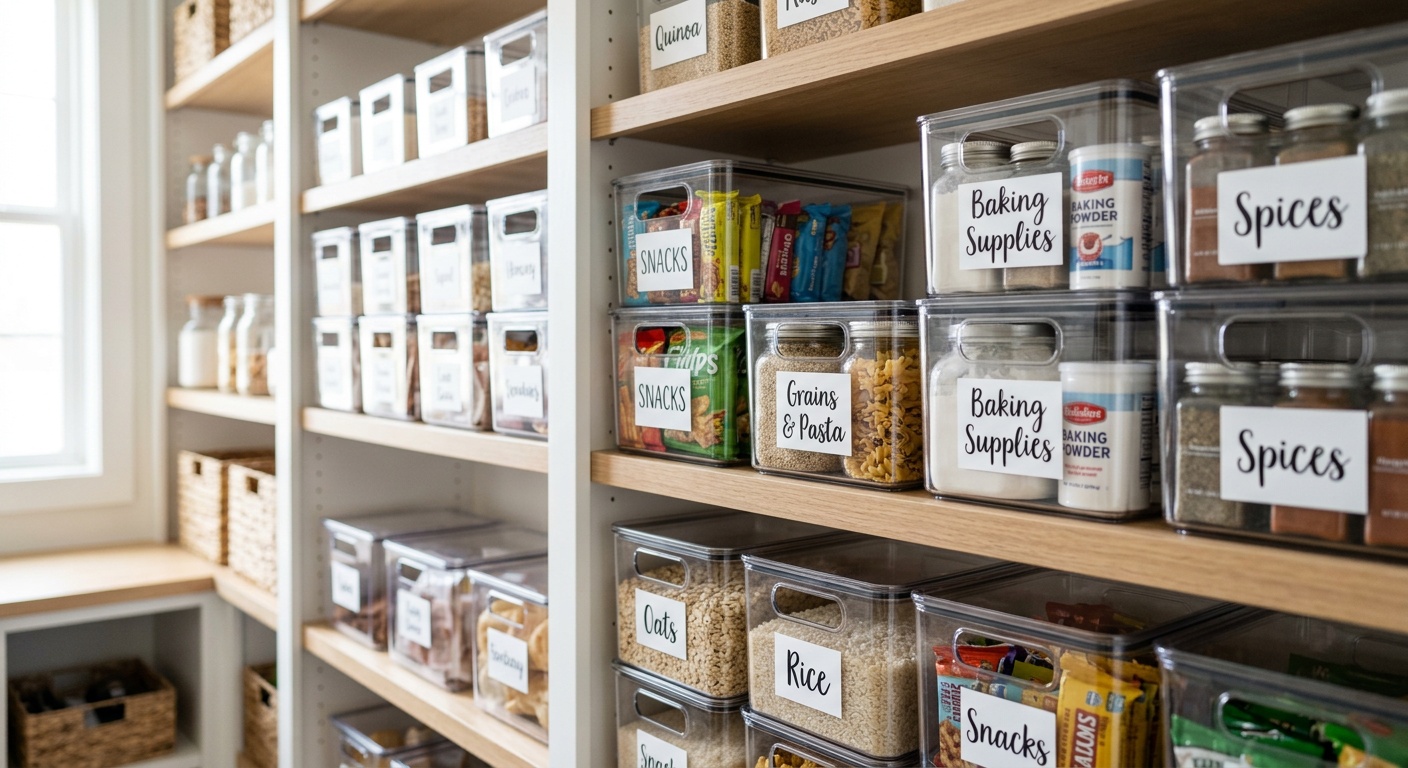
- Audit your pantry by expiration date. In spring 2026, pantries still hold holdover pandemic-era stockpiling habits — let those go.
- Consolidate duplicates. Most households have 3+ can openers, multiple sets of measuring cups, and overlapping cutting boards.
- Designate a “landing zone” away from the kitchen counter for non-kitchen items like mail and keys.
Quick Case Study: Emma R., a Chicago-based interior designer, spent three hours on her kitchen in spring 2025. She removed 23 appliances, 14 duplicate utensils, and two full boxes of expired pantry items. Her result? A kitchen that felt 40% more spacious without moving a single wall. “The counter space I reclaimed changed how I cook,” she told Real Simple magazine in their March 2026 issue. “I actually use the space now instead of fighting it.”
The Living Room: Curating What You Actually Display
The living room is where clutter becomes emotional. Every decorative item you’ve kept out of guilt, every magazine stack you meant to read, every throw blanket that’s become permanent furniture — they all live here. The goal isn’t minimalism; it’s intentionality.
Living Room Declutter Quick Wins:
- Remove all items from surfaces. Evaluate each piece: does it bring joy, serve a function, or hold genuine meaning?
- Books: Keep only what you’ll reread or reference. Donate the rest — local libraries in 2026 still actively accept donations.
- Media clutter: With streaming dominance, physical DVDs and CDs are often space-wasters. Evaluate honestly.
- Cord management: In 2026, smart home devices have proliferated. A dedicated cord management session pays huge visual dividends.
- The “museum rule”: Treat your shelves like curated gallery walls, not storage surfaces.
Summer: Bedrooms, Closets, and Kids’ Spaces
Summer brings longer days and, if you have children, a natural transition period as school ends. This makes it ideal for tackling bedrooms, closets, and kids’ rooms — spaces that accumulate items tied to growth, changing tastes, and outgrown phases.
The Bedroom: Your Sanctuary Deserves Better
Your bedroom should be the most intentional room in the house. Yet for most people it doubles as a storage overflow zone, a reading library, a gym for the Peloton gathering dust, and an auxiliary closet. In 2026, sleep quality remains a public health priority — and research consistently links visual clutter in the bedroom with disrupted sleep patterns.
Bedroom Declutter Strategy:
- Under the bed: Be ruthless. This should contain seasonal items in labeled bins — nothing else.
- Nightstand: One book, one lamp, one charger. Everything else is displacement.
- Exercise equipment: If it’s in your bedroom and you haven’t used it in 60 days, it belongs in a dedicated workout space or needs to go.
- Bedding surplus: The recommended guideline is two sets of sheets per bed. Anything beyond three is excess.
Closets: The Seasonal Wardrobe Audit
Summer is perfect for closet decluttering because you’re transitioning wardrobes. The famous “reverse hanger trick” — turning all hangers backward and only reversing them when you wear the item — works best when started at a seasonal shift. After 90 days, anything still backward is a strong removal candidate.
In 2026, with sustainable fashion increasingly mainstream, clothing donations to organizations like Dress for Success, ThredUp’s in-home pickup service, and local mutual aid networks are easier than ever. Don’t let the friction of donation be a reason to keep things you don’t wear.
Case Study: James T., a marketing professional in Austin, Texas, documented his summer 2025 closet declutter. He owned 147 items of clothing and found he regularly wore only 34. After donating 80 items and selling 15 through Poshmark, he reported a 25-minute reduction in his morning routine. “I didn’t realize how much mental energy I spent every morning fighting through clothes I’d never choose,” he noted.
Kids’ Rooms: Decluttering with Little Ones
Kids’ rooms require a different approach. Involving children in the process — age-appropriately — builds lifelong organizational skills. For children under 6, parents should make the final calls but let children participate. For kids 7 and older, introduce the concept of “making room for new things” by releasing old ones.
Kid-Friendly Declutter Tips:
- Sort toys into Keep, Donate, and Store piles with your child present.
- Use the “one in, one out” rule for birthdays and holidays going forward.
- Rotate toys seasonally — store half and swap every few months to maintain novelty without accumulation.
- Artwork management: Digitize memorable pieces using apps like Artkive before recycling paper originals.
Fall: Home Office, Entryway, and Garage
As the year winds down and schedules intensify with school, work projects, and holiday preparations, fall is the ideal season for tackling functional spaces: the home office, entryway, and garage. These rooms directly impact daily efficiency — decluttering them yields immediate, practical payoffs.
The Home Office: Reclaiming Your Productive Space
In 2026, hybrid work remains the dominant model for knowledge workers worldwide. This means home offices are no longer optional — they’re mission-critical. Yet research from Buffer’s 2025 State of Remote Work report found that 63% of remote workers cite workspace disorganization as a top productivity barrier.
Home Office Declutter Checklist:
- Paper purge: Go through every paper document. File, shred, or scan. In 2026, virtually all important documents can and should be stored digitally.
- Tech audit: Remove outdated cables, broken peripherals, and devices from 2019 that you’re “keeping just in case.”
- Desk surface: Apply the clear desk policy — only active project materials live on the surface.
- Bookshelves: Professional books should be current and relevant. Outdated industry guides over 5 years old are rarely worth the shelf space.
- Supplies audit: How many pens, notebooks, and sticky note pads do you actually need? Donate the surplus to local schools.
Entryway and Garage: The First and Last Impressions
Your entryway sets the emotional tone of your home. A cluttered entry creates a subtle daily stress trigger every time you arrive home. Keep it minimal: a designated spot for keys, a small bench or rack for bags, and seasonal outerwear only.
The garage is the great American clutter graveyard. A 2024 study by Gladiator GarageWorks found that 25% of people with two-car garages can’t fit a single car inside due to storage overflow. Fall is ideal for the garage because you’re putting away summer gear and retrieving winter items — a natural audit moment.
Garage Reset Strategy:
- Empty the garage completely (yes, completely) onto the driveway.
- Sort into: Keep, Donate/Sell, Dispose.
- Before returning items, designate zones: automotive, sports, tools, seasonal.
- Use vertical wall space aggressively with pegboards and overhead storage systems.
- Schedule a donation pickup before items re-enter the garage by default.
Winter: Bathrooms, Sentimental Items, and Digital Clutter
Winter is quieter and more reflective — perfect for the rooms and categories that require more emotional processing. Bathrooms are quick wins; sentimental items are deeper work; and digital clutter is the frontier most people haven’t even started addressing.
Bathrooms: The Fastest Declutter Win
Bathrooms are relatively small but can pack surprising clutter density. The average bathroom cabinet in 2026 contains over 40 personal care products, many of which are expired, nearly empty, or simply never used. A bathroom declutter session typically takes 60–90 minutes and delivers an outsized sense of accomplishment.
Bathroom Declutter Essentials:
- Check expiration dates on all skincare, medication, and makeup.
- Dispose of medications properly — use DEA-authorized take-back programs, widely available in 2026.
- Consolidate half-empty products where possible.
- Keep only what fits comfortably in storage — visible countertop clutter increases perceived room size reduction by up to 30%.
Sentimental Items: The Hardest Category
Marie Kondo’s advice to save sentimental items for last remains sound in 2026. These items carry emotional weight that makes objective evaluation nearly impossible when you’re still warming up your “letting go” muscle. By winter of your decluttering year, you’ll have built enough decisiveness to approach these thoughtfully.
The key question isn’t “does this spark joy?” — it’s “does keeping this physical object honor this memory, or would the memory be just as meaningful with a photograph?” Digitization services like ScanMyPhotos and Legacybox have made preserving memories without physical storage more accessible than ever.
Digital Clutter: The 2026 Frontier
Here’s what most decluttering guides miss entirely: digital clutter is now as psychologically impactful as physical clutter. In 2026, the average smartphone user has 97 apps installed (using only 30 regularly), 4,200 unread emails, and photo libraries exceeding 12,000 images. This cognitive background noise is real and measurable.
Digital Declutter Quick Start:
- Delete apps not used in 60 days.
- Unsubscribe from email lists using tools like Unroll.me or manual unsubscribes.
- Sort photos into albums or use AI-powered tools in Google Photos or Apple Photos to curate duplicates.
- Review cloud storage subscriptions — most households are paying for storage they don’t actually need.
- Desktop and downloads folders: schedule a monthly 15-minute clear-out as a recurring calendar event.
Common Decluttering Challenges (and How to Beat Them)
Challenge 1: “But I Might Need It Someday”
This is the most common decluttering obstacle. The cognitive bias at play is loss aversion — we overestimate the future need for items we’ve never actually used. A practical counter: place questionable items in a labeled box with a date six months in the future. If you haven’t retrieved anything from the box by that date, donate it unopened.
Challenge 2: Sunk Cost Thinking
Keeping an expensive item you don’t use because “I paid so much for it” is classic sunk cost fallacy. The money is already spent — keeping the item doesn’t recover it. It only costs you space, mental energy, and the opportunity to give that item to someone who would genuinely use it. Reframe donation as maximizing the value of your original purchase.
Challenge 3: Partner or Family Resistance
Decluttering shared spaces requires buy-in. Never declutter someone else’s belongings without permission — this is a boundary violation that creates conflict and resentment. Instead, model the behavior by starting with your own items, share the benefits you experience, and invite participation rather than mandating it. For families with children, make decluttering a low-stakes, even fun activity with music and clear rewards.
Room-by-Room Effort vs. Impact Comparison
| Room | Average Time Required | Difficulty Level | Immediate Impact | Best Season |
|---|---|---|---|---|
| Kitchen | 3–5 hours | Medium | Very High | Spring |
| Bedroom Closet | 2–4 hours | Medium | High | Summer |
| Garage | 6–10 hours | High | High | Fall |
| Home Office | 2–3 hours | Low–Medium | Very High | Fall |
| Sentimental Storage | 4–8 hours | Very High | Medium | Winter |
Clutter Stress Index by Room (2026 Survey Data)
Based on a 2025 survey of 2,400 U.S. households by the Home Organization Research Institute, the following rooms generated the highest reported stress levels when cluttered:
Stress index reflects percentage of respondents who rated clutter in that room as “significantly stressful” or “very stressful.”
Frequently Asked Questions
How long does a full seasonal declutter cycle actually take?
A complete four-season declutter cycle — done properly — requires between 30 and 50 hours total across an entire year. That averages to roughly 7–12 hours per season, spread over three months. Broken down further, that’s less than 2 hours per week, which most people find entirely manageable when they stop thinking of decluttering as a single marathon event. The first cycle is always the hardest; subsequent years take significantly less time because you’re maintaining rather than transforming.
What’s the best way to actually let go of items I feel guilty about donating?
Guilt around decluttering usually stems from one of three sources: perceived ingratitude (especially with gifts), sunk cost thinking, or fear of regret. The most effective reframe is this: unused items in your home help no one. Donating them gives them a second life with someone who genuinely needs them. For gifts specifically, accepting a gift gracefully doesn’t obligate you to store it indefinitely — the act of giving and receiving was the meaningful exchange, not the perpetual possession. If guilt persists, take a photo of the item before donating as a low-stakes memory preservation technique.
Should I hire a professional organizer, and is it worth it in 2026?
Professional organizers have seen a significant resurgence in demand since 2024, driven by hybrid work environments creating home office overload and post-pandemic reassessment of living spaces. In 2026, rates range from $75 to $200 per hour depending on specialization and location, with many now offering virtual sessions at reduced rates. It’s genuinely worth it for specific high-stakes spaces (like a home office you use daily or a master closet you battle every morning), for people who’ve repeatedly tried and failed on their own, and during major life transitions like moves, divorces, or downsizing. Think of it less as a luxury and more as a time-multiplying investment with measurable daily returns.
Your Clutter-Free Action Plan: Next Steps
You now have a complete seasonal roadmap. Here’s how to move from reading to doing — starting today, not “someday.”
- Identify your current season and pick your first room. Don’t wait for a “fresh start” moment. Whatever season you’re in right now, there’s a room on this list that applies. Begin with the highest-stress area on the chart above.
- Block time on your calendar within the next 7 days. Two to three hours is enough for most rooms. Treat it like an unmovable appointment — because your quality of life is worth protecting.
- Gather your supplies before you start: labeled boxes (Keep, Donate, Discard, Relocate), garbage bags, and a notepad for items that need replacing or organizing solutions.
- Arrange your donation pickup before you declutter. Having a scheduled pickup creates external accountability and removes the “I’ll deal with the donate pile later” trap.
- Schedule your next seasonal session now. Put a recurring calendar event for each seasonal transition. Future-you will be grateful.
Here’s the bigger picture: in 2026, the decluttering movement has evolved far beyond aesthetics. It intersects with sustainability (consuming less, circulating more), mental wellness (reducing environmental anxiety), and even financial health (buying intentionally, avoiding duplicate purchases). A decluttered home is, in many ways, a reflection of a decluttered mind.
So here’s the question worth sitting with: What would your daily life feel like if every room in your home actively supported you instead of subtly working against you? The answer is worth finding out — one room, one season at a time.
Article reviewed by Nina Svensson, Interior Architecture & Color Design Consultant, on July 15, 2026